Effective Literacy Instruction: The Integration of Literacy Expertise and Pedagogical Competency
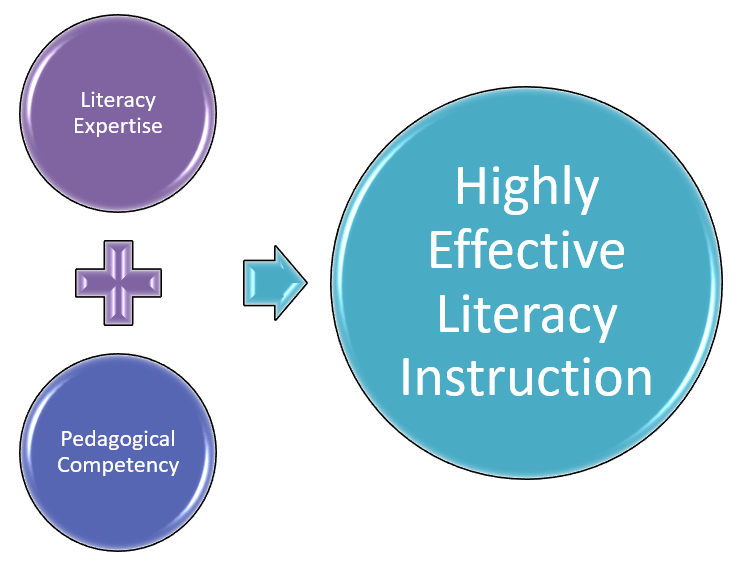
While my graduate courses, internship, and dissertation afforded me a deep understanding of literacy, I would not be prepared to provide effective literacy instruction without the experiences I had in the College of Education at SLU. There, I taught courses and supervised field-based teaching for prospective secondary teachers, the majority of whom were English Education majors. I also coordinated a student development program for which I facilitated workshops and provided 1:1 coaching to help prospective teachers prepare for their exams in Reading, Writing, and other subjects. Through these experiences, I learned a great deal about many aspects of instruction and improved my teaching in ways I never thought possible. Integrating these competencies with the literacy expertise I gained during my graduate studies has prepared me to provide highly effective literacy instruction and this document serves to illuminate my capacity for doing so.
Below, I address the following items with regard to the teaching of integrated literacy:
- Instructional competencies;
- Techniques for collaboration (i.e. CoLTs) and engagement (i.e. SETs);
- Tools and techniques for reading, writing, and inquiry; and
- Practices relevant to formative and summative assessment.
Instructional Competencies: What I Can Do as a Literacy Instructor
Select and Evaluate Texts
- Assemble and use multimodal text sets
- Incorporate a variety of genres and sub-genres
- Evaluate textbooks based on 19 criteria
- Incorporate technology (e.g., digital texts, tools)
- Choose texts based on student characteristics
- Identify pop culture texts relevant to course content
- Use multiple tools to measure readability
- “Level” or adapt texts based on on specified targets
Plan Units and Lessons
- Develop thematic (interdisciplinary) literacy units
- Address the knowledge gap–a known impediment to comprehension
- Plan units/lessons aligned to standards and goals
- Write measurable objectives and sub-objectives
- Plan lessons using various formats (e.g., gradual release, 5E)
- Sequence unit content in a logical manner (i.e. easy to complex)
- Reinforce concepts and skills throughout a unit and across multiple units
Use Effective Teaching Practices
- Teach “content and process together” (Bean et al., 2017)
- Address disciplinary literacies, particularly in English and Social Studies
- Integrate multiple literacy processes (e.g., reading, writing)
- Model strategies used by expert readers and writers
- Provide opportunities for authentic reading and writing
- Apply the B-D-A model and principles of comprehension to all text-based activities
- Teach strategies for vocabulary, comprehension, writing, and study skills
- Teach inquiry-based writing, which uses evidence from credible sources
- Teach and facilitate, in various ways, all steps of the writing process
- Differentiate content based on readiness, interest, and learning profile
- Use technology to promote inquiry, reading, writing, etc. (e.g., WebQuest, cybrary)
- Use student-centered techniques to support literacy (e.g., seminar, literature circles)
Use Continuous Assessment
- Develop and administer interest inventories
- Develop and administer content and digital reading assessments
- Utilize a wide array of formative assessments
- Provide the most effective types of feedback
- Help students identify their strengths and weaknesses
- Develop objective, alternative assessments, and performance-based assessments
- Create and use rubrics and other assessment tools
- Provide multiple opportunities to demonstrate learning and use assessment recursively
- Interpret results from standardized tests and use item analysis to pinpoint difficulties
- Develop improvement plans and contracts for individual students
- Identify and describe validity and reliability problems in assessment tasks of all kinds
Engage in Critical Self-Evaluation
- Evaluate myself using the Content Literacy Practices Assessment
- Use student outcomes to consider my own effectiveness
- Identify and describe my strengths and weaknesses
- Develop and implement a self-improvement plan
My CoLTs and SETs: How I Foster Collaboration and Active Engagement
The list below includes techniques for promoting collaboration (CoLTs) and student engagement (SETs). Many of these techniques also integrate reading, writing, and inquiry; therefore, they are also listed in the section below.
- Send a problem
- Jigsaw (reciprocal teaching)
- Socratic seminar
- Book clubs
- Literature circles
- Structured academic controversy
- Town hall discussion
- Analytical teams
- Silent discussion
- Fish bowl
- Rehearsals
- Role-play or simulation
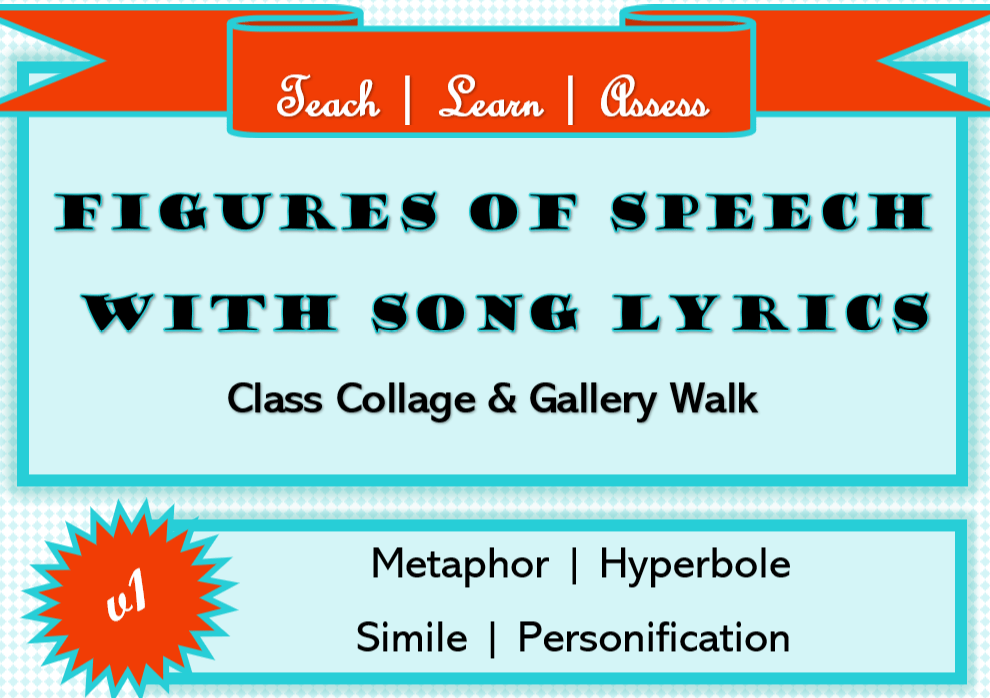
- Gallery walk
- Inner circle, outer circle
- Group collage (small or large group)
- Take a stand
- Four corners
- SU-HU-PU (musical mingle)
- Stations (learning centers)
- Case studies (in groups)
- Wikis
- Group organizer
My Tools and Techniques: How I Promote Reading, Writing, and Inquiry
The following list represents the tools and techniques I use to engage students in reading, writing, and inquiry. I nearly always address these processes in an integrated manner. However, since some tools and techniques are more conducive to one process than another, I have marked each tool or technique as follows: Reading (R), Writing (W), and/or Inquiry (I).
- WebQuest (R, I, W)
- Wiki (W, usually after R/I)
- Blogpost (W, usually after R/I)
- Subject sampler (R, I, W)
- Case study (R, I)
- Hotlist (R, I)
- Inquiry charts (I, R, W)
- Literature circles (R, I)
- Reading workshop (R, I)
- Structured academic controversy (I, R)
- Socratic seminar (I, R)
- Analytical teams (R, I)
- Multigenre project (I, R, W)
- Silent discussion (W, usually after R/I)
- Response polls (W, usually after R/I)
Assessment Practices: How I Engage in Continuous Assessment
Although classroom assessment once required little more than an end-of-unit test, it now demands a wide array of objective and performance-based tasks situated at various points throughout a unit of study. Accordingly, I routinely use a variety of formative assessments to check students’ understanding of new concepts and to provide meaningful corrective feedback. I also assign several summative assessments so that students have multiple opportunities to demonstrate what they have learned. Below, I offer examples of the types of assessments, assessment tools, and scaffolding I might include in an integrated reading and writing course
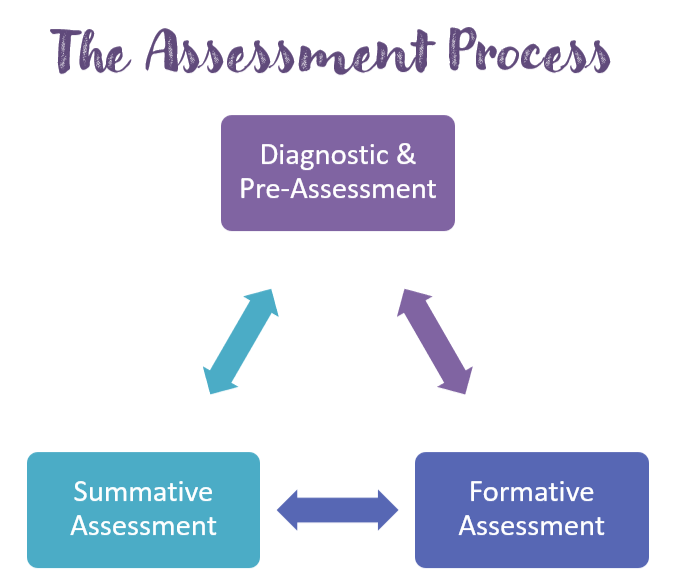
Diagnostic & Pre-Assessment
- Reading interest inventory
- Content reading assessment
- Online reading assessment
- Timed in-class writing (baseline)
- Text-dependent questions
Formative & Informal: WTL
I would review students’ oral and written responses to tasks such as:
- What Stuck With You?
- Quick Write
- Journal entry
- Inquiry chart
- Group collage
- Literature response journal
- Double-entry journal
- K-W-L
- Choice board
- Graphic organizer
- Plot diagram
- Annotated text
- Poll response
Formative & Formal: Scaffolded Writing
- Planning or brainstorming activity (e.g., T-chart for/against, concept map)
- Draft of introductory paragraph (i.e. hook, background, thesis)
- Draft of body paragraph(s) (e.g., thesis alignment, transitions, counter)
- ICE practice (i.e. introduce, cite, explain)
- Timed in-class essay (practice)
- Annotated bibliography
- Concept development paragraph
- Sentences using specific constructions
Summative: Formal Assignments
- Argumentative essay (revised and edited)
- Works cited page
- Expository essay
- Literary analysis
- Timed in-class essay
- Newspaper article
- Formal letter or email
- Book review or book talk
- Compare-contrast essay
- Writing portfolio with various writing samples
Scaffolding & Assessment Tools
- Exemplars
- Rubrics
- Checklists
- Process charts
- Procedural documents
- Written feedback
 Tracey Kumar